
-
|
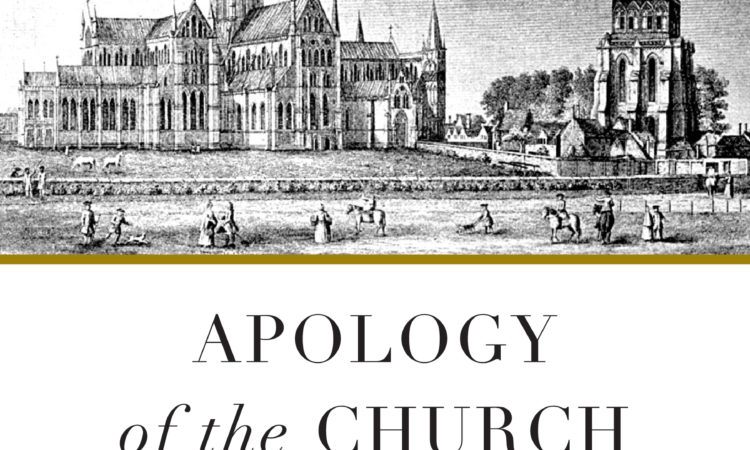
Apology of the Church of England
John Jewel (1522-1571), Bishop of Salisbury, stands as one of the leading architects and perhaps the staunchest defender of the Protestant Church of England.
-
|
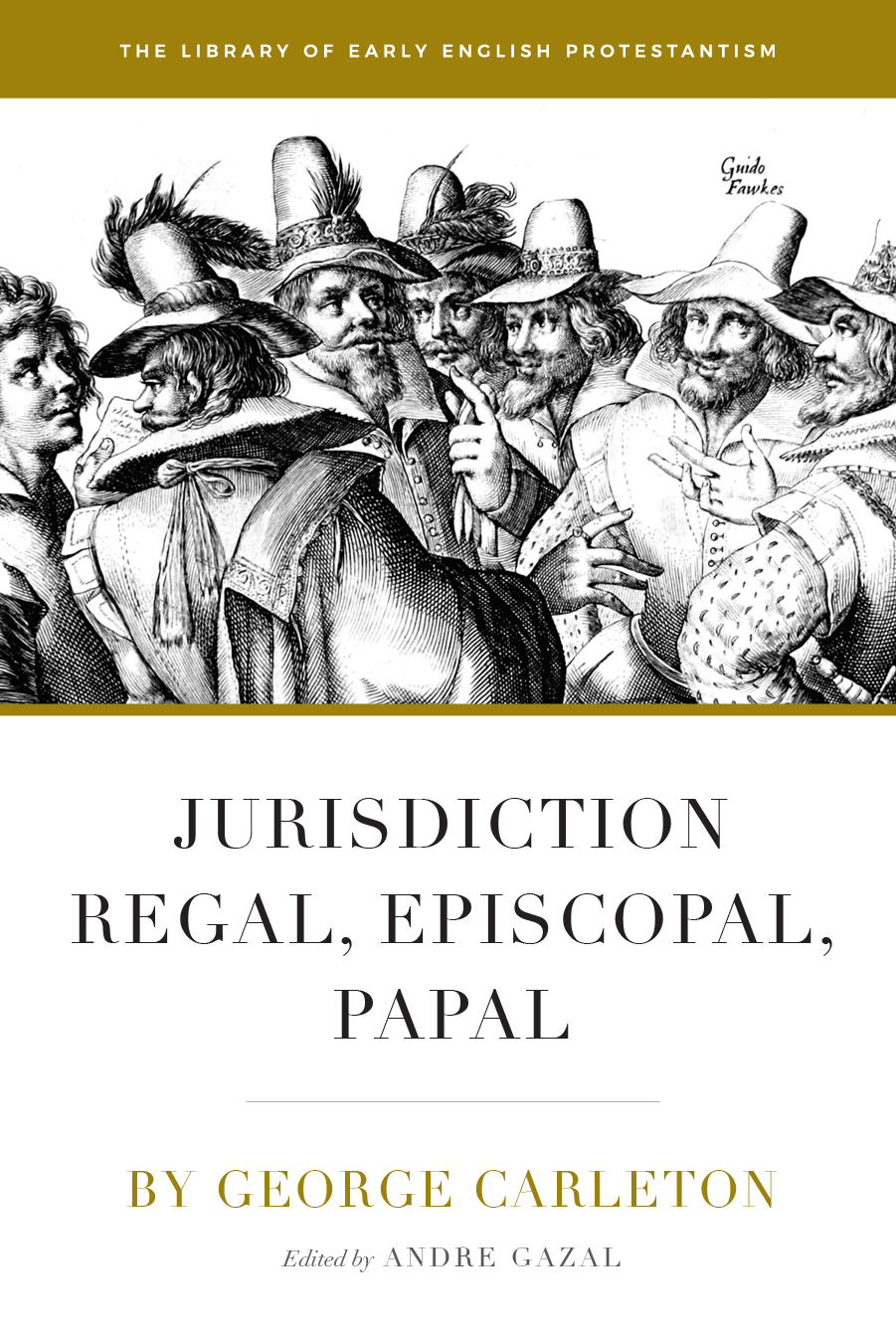
Jurisdiction Regal, Episcopal, Papal
A new edition of George Carleton’s 1610 work, published after the Gunpowder Plot, presenting Protestant views of church, state, and papacy.
-
|
Religion & Republic
In this book, Miles Smith offers a fresh historical reading of America’s status as a Christian nation in the Early Republic era. Defined neither by secularism nor Christendom, America was instead marked by “Christian institutionalism.”
-
|
The Divine Feudal Law: Or Covenants with Mankind, Represented
The Divine Feudal Law sets forth Pufendorf’s basis for the reunion of the Lutheran and Calvinist confessions. This attempt to seek a “conciliation” between the confessions complements the concept of toleration discussed in Of the Nature and Qualification of Religion in Reference to Civil Society.
-
|
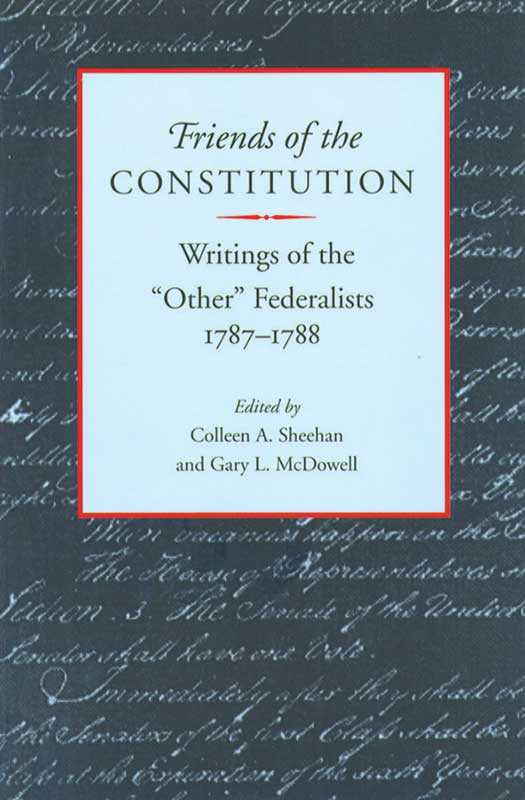
Friends of the Constitution: Writings of the “Other” Federalists
There were many writers other than John Jay, James Madison, and Alexander Hamilton who, in 1787 and 1788, argued for the Constitution’s ratification. In a collection central to our understanding of the American founding, Friends of the Constitution brings together forty-nine of the most important of these “other” Federalists’ writings.
-
|
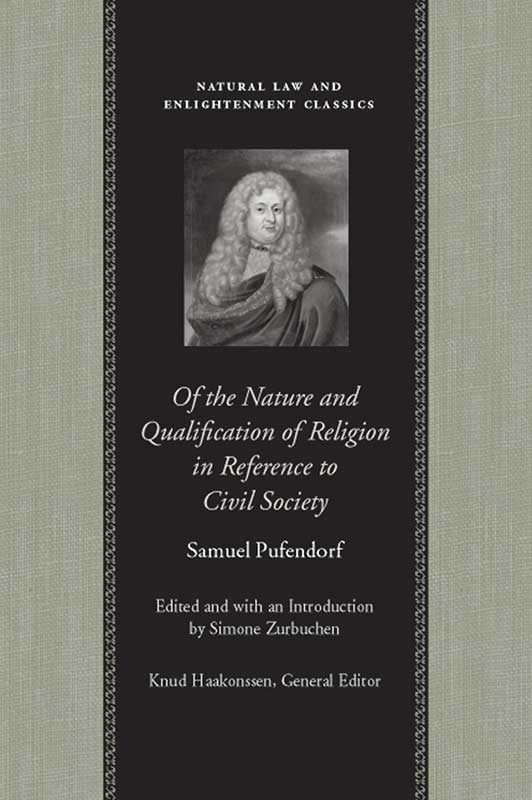
Of the Nature and Qualification of Religion in Reference to Civil Society
Samuel Pufendorf contests the right of the sovereign to control the religion of his subjects, because state and religion pursue wholly different ends. He concludes that, when rulers transgress their bounds, subjects have a right to defend their religion, even by the force of arms.
-
|
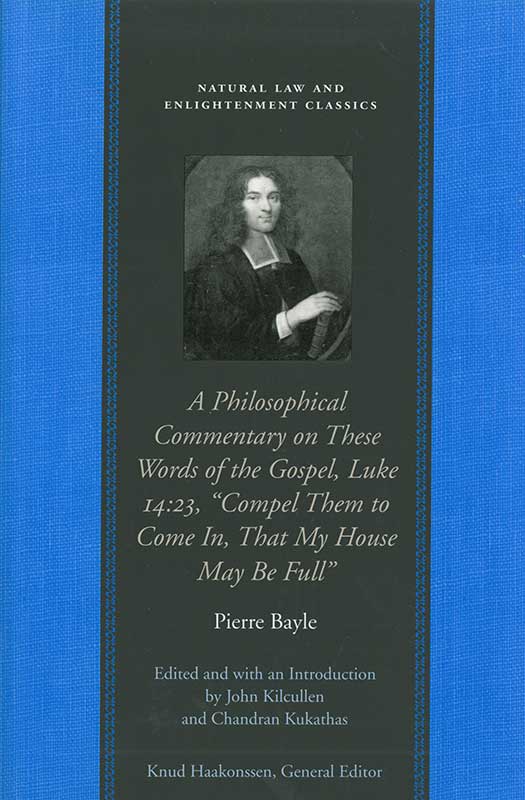
A Philosophical Commentary on These Words of the Gospel, Luke 14:23
Philosophical Commentary deals with church and state, religious toleration, legal enforcement of religious practices, and religiously motivated violence.
-
|
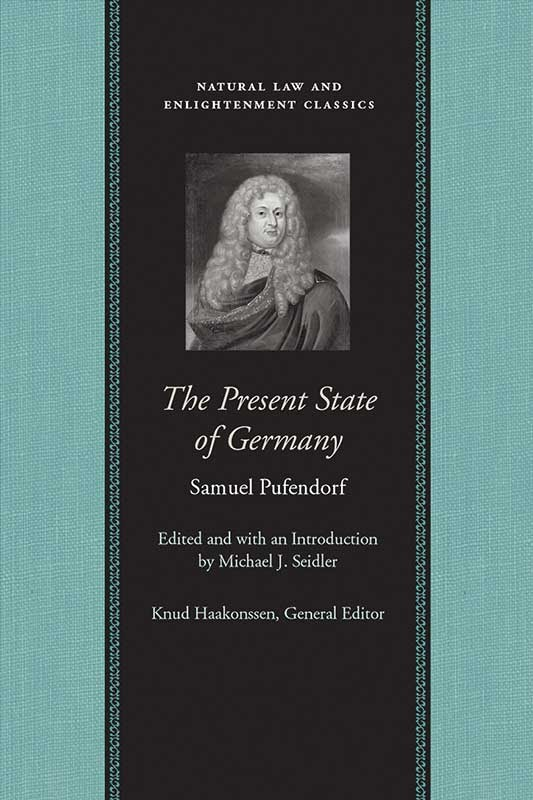
The Present State of Germany
Samuel Pufendorf’s The Present State of Germany was first published in 1667 (under the pseudonym Severinus de Monzambano) and immediately became one of the most notorious works in Europe for the next half century. Its trenchant critique of previous theories of the Holy Roman Empire elicited both attacks and defenses, and it also anticipated many…
-
|
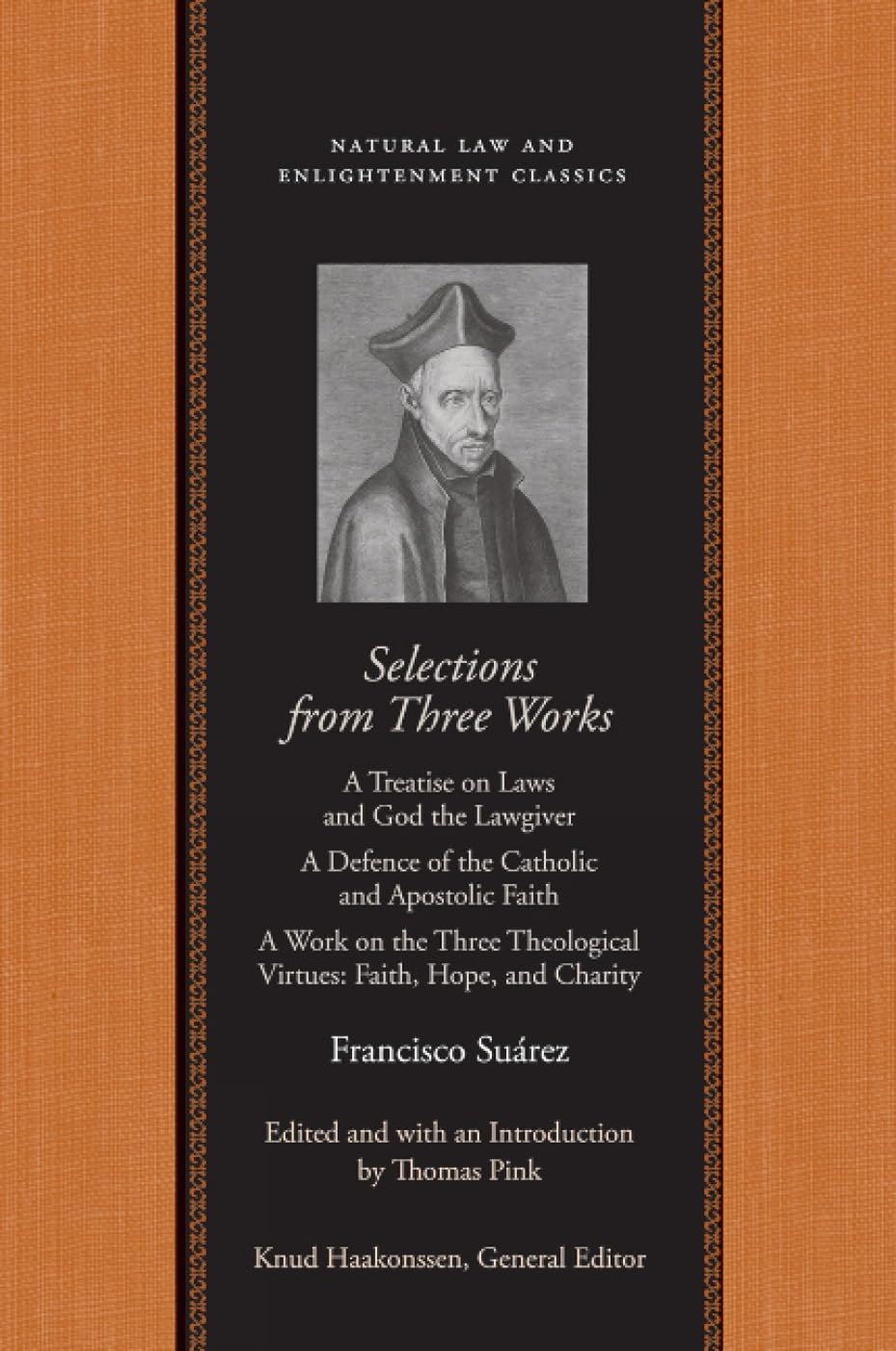
Selections from Three Works
The bulk of the selections in this volume are from A Treatise on Laws and God the Lawgiver (1612), “one of the major works of scholastic moral and legal theory,” writes volume editor Thomas Pink. In the Treatise, working within the framework originally elaborated by Thomas Aquinas, Suárez presented a systematic account of human moral activity in all its…
-
|
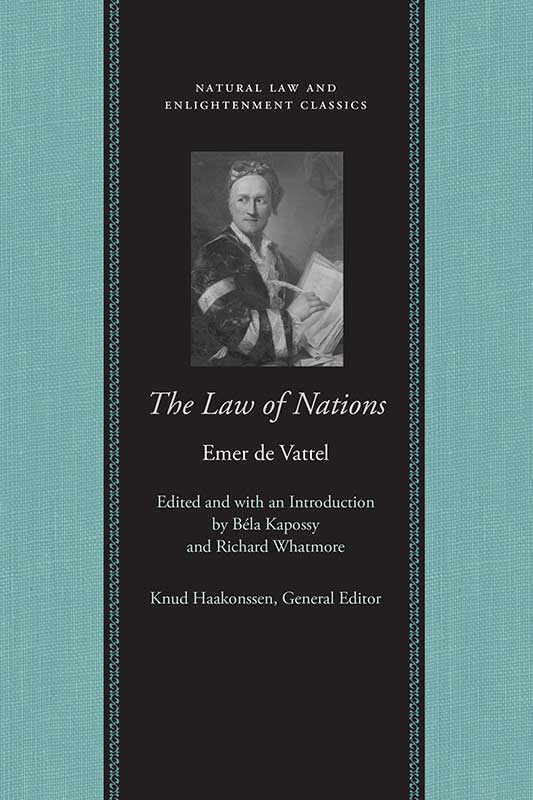
The Law of Nations
The great eighteenth-century theorist of international law Emer de Vattel (1714–1767) was a key figure in sustaining the practical and theoretical influence of natural jurisprudence through the Revolutionary and Napoleonic eras.
AD FONTES