
-
|
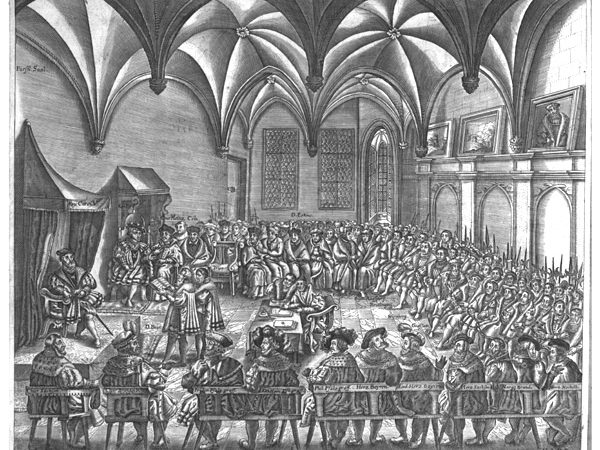
September 25th: The Peace of Augsburg
As Roland Bainton writes in Reformation of the Sixteenth Century, “In the sixteenth century people did not commonly agree to differ.”[1] Political and religious disagreements often ended in violence. Remember Luther going into hiding at the Wartburg castle? It wasn’t because he was worried that his Scriptural interpretation would be questioned, or that there would…
-
|
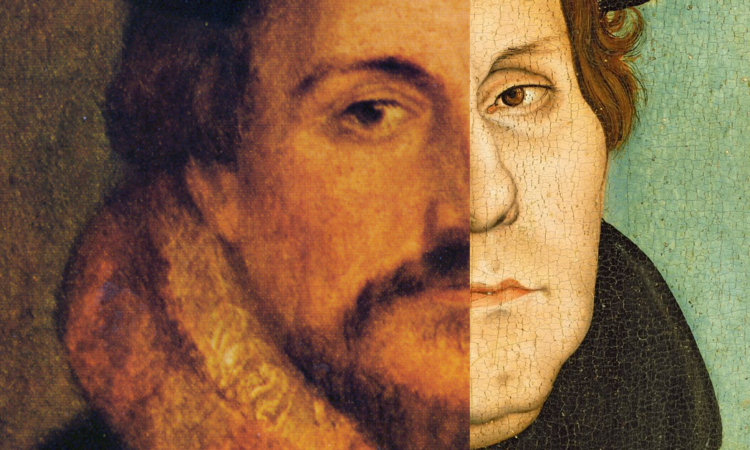
Calvin’s Luther: Unity and Continuity in Protestantism
[vc_row][vc_column][vc_column_text] John Calvin: More Lutheran or Zwinglian? Everybody knows that Calvin was closer to Zurich than to Wittenberg. What this essay presupposes is: Maybe he wasn’t? In fact, Calvin was neither Zwinglian nor Lutheran in the developed sense of those terms, but rather saw himself as one who might mediate between the two sides…
-
|
How did early Protestants think about confessional subscription?
In a recent post at Reformation21, Guy Waters argues that a “Presbytery does possess the power to instruct one of its members or licentiates not to teach a difference that the court has determined an exception.” I agree. Interestingly, I can’t imagine this being an issue in the early modern period.
-
|
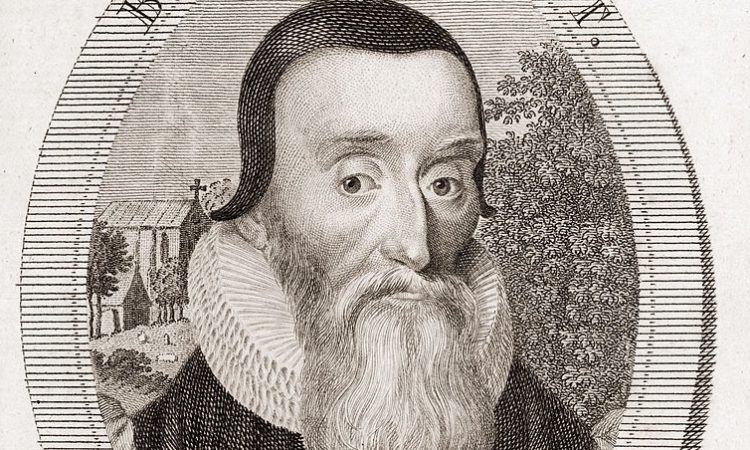
“Plainly Diabolical”: Bishop Davenant Weighs in on Clerical Celibacy
John Davenant, as Lady Margaret Professor of Theology at Cambridge, gave a lecture in the 1610’s defending the thesis that: “Thus, marrying in the Sacerdotal Order is lawful, and the decree for its prohibition in the Church of Rome is unlawful, anti-Christian, and plainly diabolical.” In this post, I want to highlight some of the…
-
|
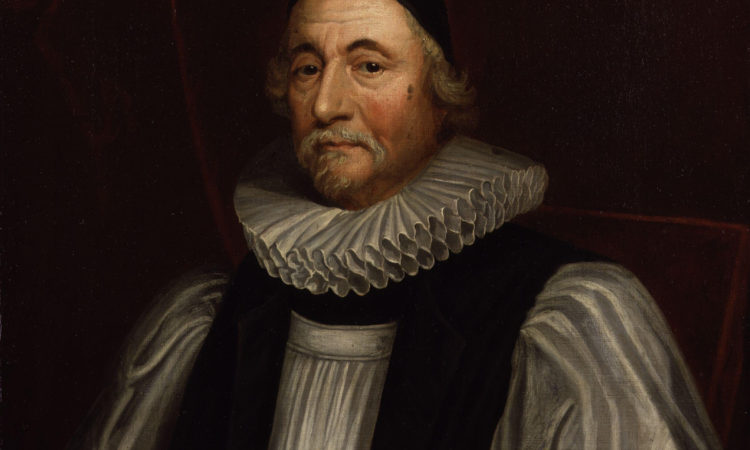
James Ussher and the Reduction of Episcopacy
One of Ussher’s major contributions to seventeenth-century debates about church government was The Reduction of Episcopacy which was probably composed in early 1641, but not appearing in print until after his death in 1656. This was an attempt to implement his vision of primitive episcopacy in the Church of England and was proposed as a…
-

|
Singing Pictures: Georgette de Montenay’s Emblems
Thanks to the work of E. J. Hutchinson, many of us are aware of Theodore Beza’s emblems. The enigmatic woodcuts and poetry of emblem books were also employed by less well-known Protestant writers, but no less vividly and even hauntingly, to picture life in light of God. Among these was Georgette de Montenay, a lady-in-waiting…
-
|
Latin Hymns Reformed
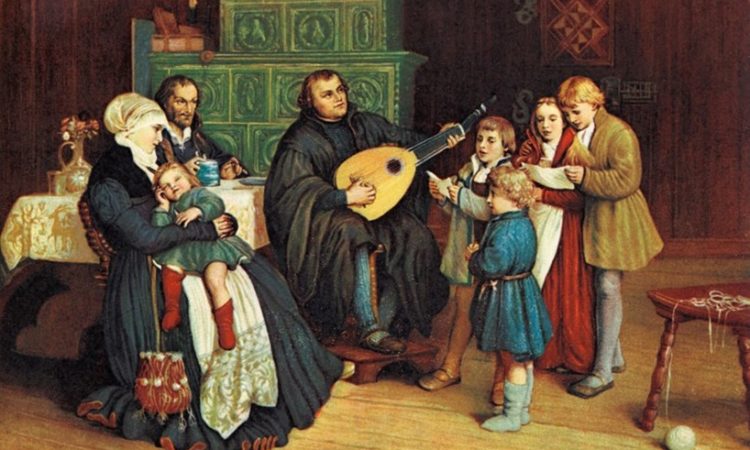
Everyone knows that the Reformation opened the floodgates of German songwriting, transforming the hymn into communal song. No less astonishing, but much less remembered, is the early Lutherans’ tireless work at writing an entirely new corpus of Latin hymns.
-
|
A Century of Latin Bibles: c. 1550–1650
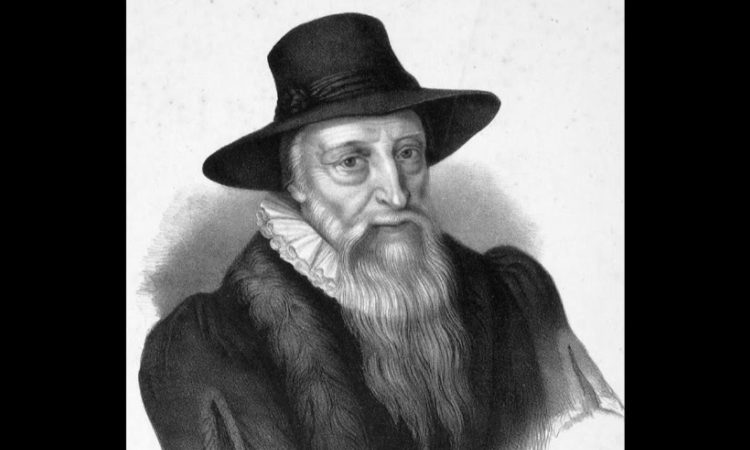
Some of us may have been disappointed to see only Lutherans among the hymn-writers which we recently sampled. But fear not, Reformed readers, because Latin culture flourished in early Reformed circles as well.
-
|
Peter Martyr Vermigli: The Forgotten Reformer
Chris Castaldo chronicles the remarkable life and work of the extraordinary forgotten Reformer, Peter Martyr Vermigli.
-
|
The Freedom of a Christian Nation
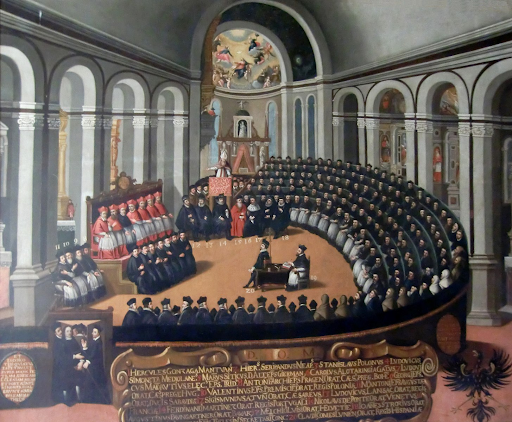
No effort toward a “Protestant Christendom” will get airborne without the guiding lights of Hookerian nationalism and Althusian federalism.
AD FONTES