
-
|
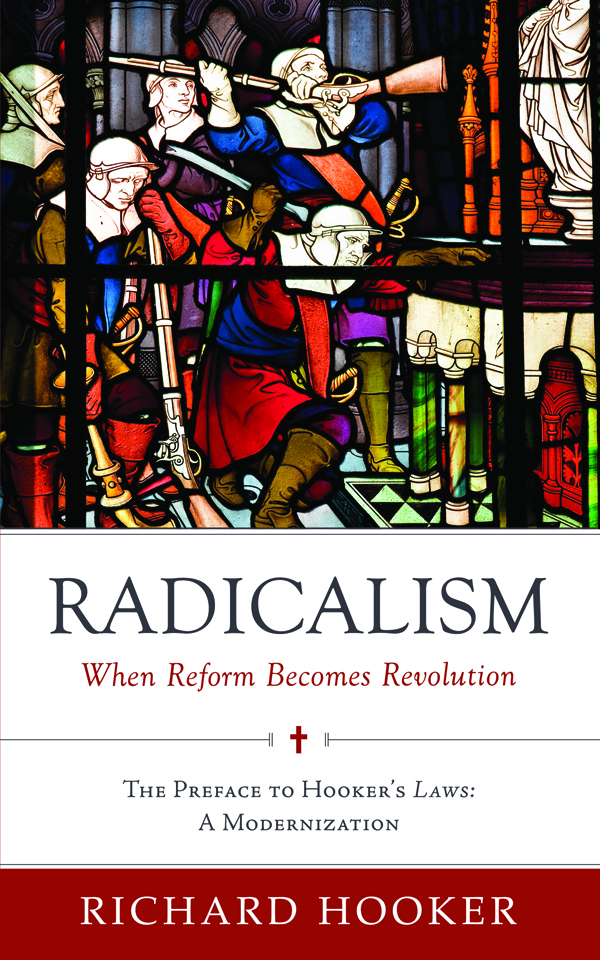
Radicalism: When Reform Becomes Revolution – The Preface to Hooker’s Laws: A Modernization
Richard Hooker’s Laws of Ecclesiastical Polity is one of the great landmarks of Protestant theological literature, and indeed of English literature generally. However, on account of its difficult and archaic style, it is scarcely read today. The time has come to translate it into modern English so that Hooker may teach a new generation of…
-
|
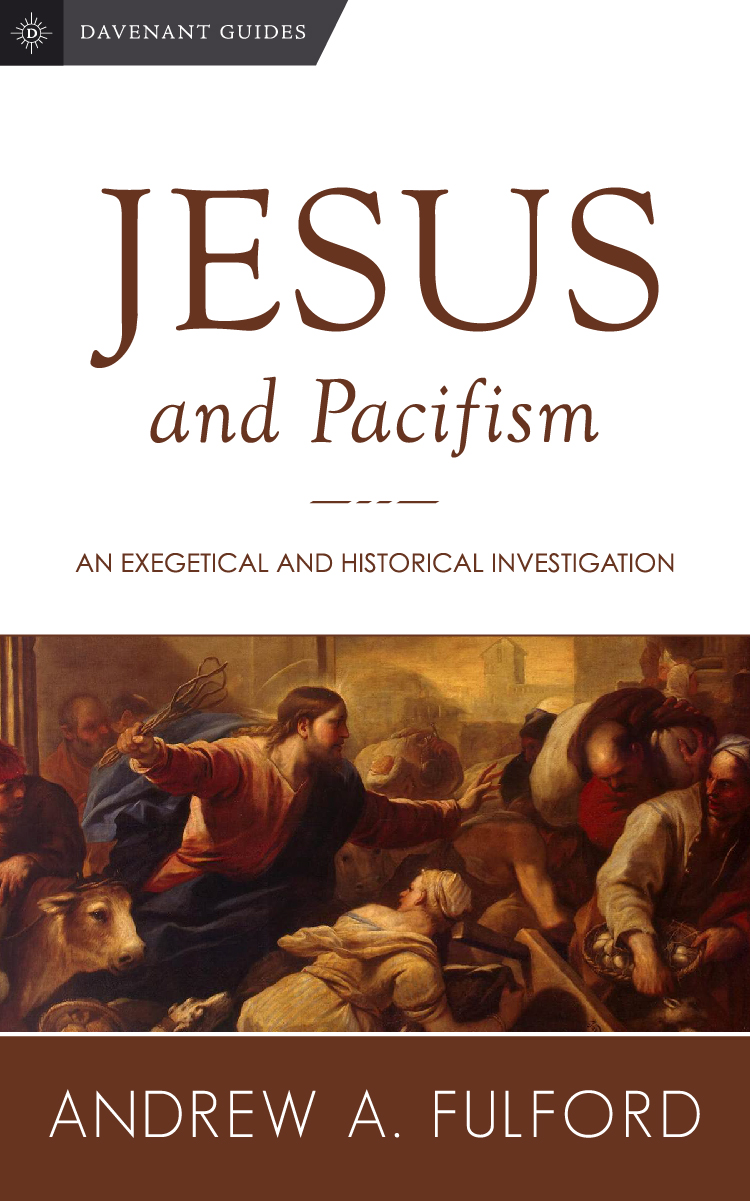
Jesus and Pacifism: An Exegetical and Historical Investigation
In recent decades, the ideal of pacifism has gone from the margins to the mainstream, first among liberal Protestantism and more recently among evangelicals as well. Frustrated with the misguided militarism of the Christian Right, many young Christians have turned to the works of Stanley Hauerwas, and John Howard Yoder, seeking a more authentic way…
-
|
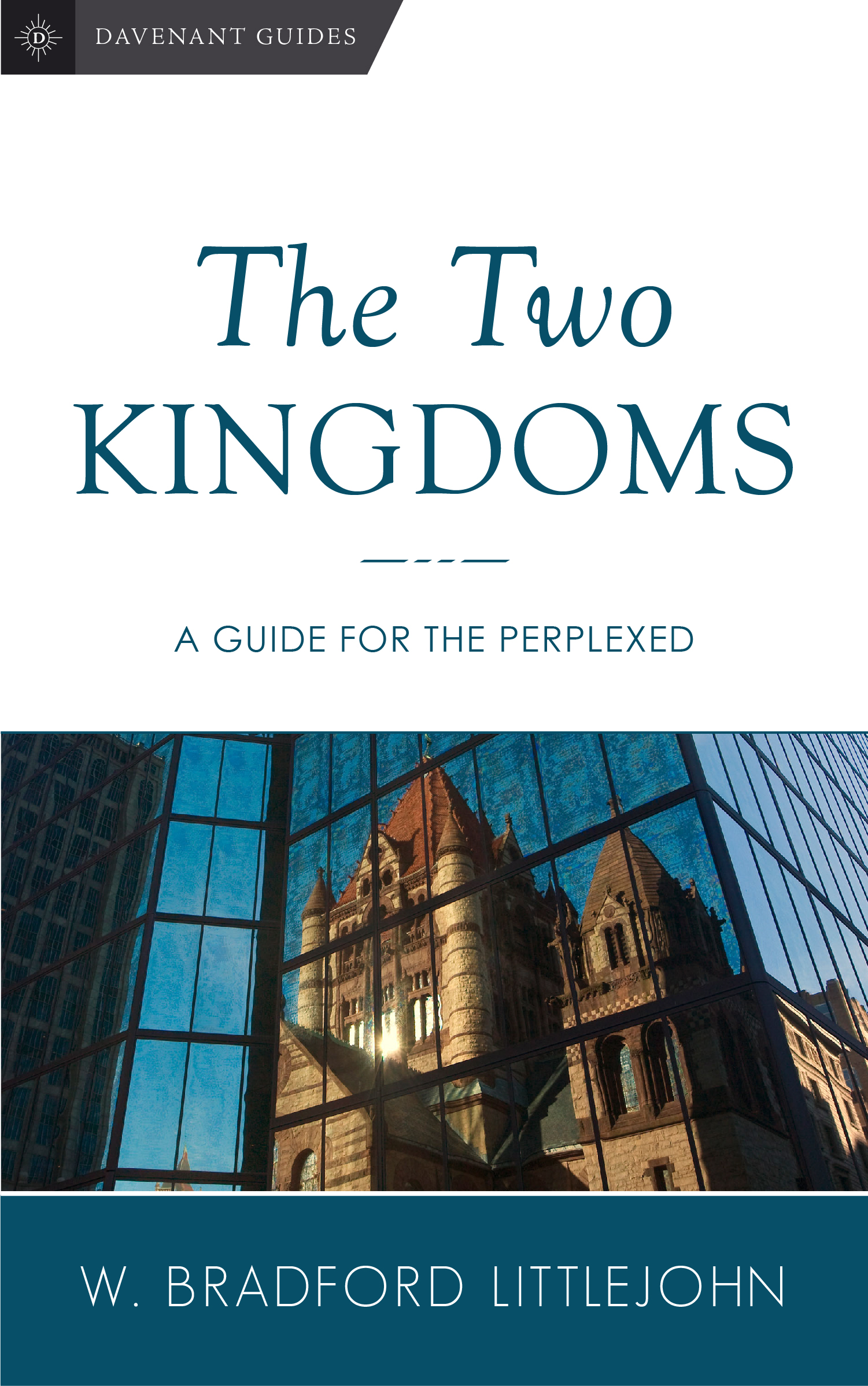
The Two Kingdoms: A Guide for the Perplexed
What does it mean to live as citizens of this world and of the world-to-come? How can we render to Caesar the things that are Caesar’s and to God the things that are God’s? In recent years, fresh controversy has erupted over these age-old questions, and especially over the meaning and relevance of the Reformation’s “two-kingdoms”…
-
|
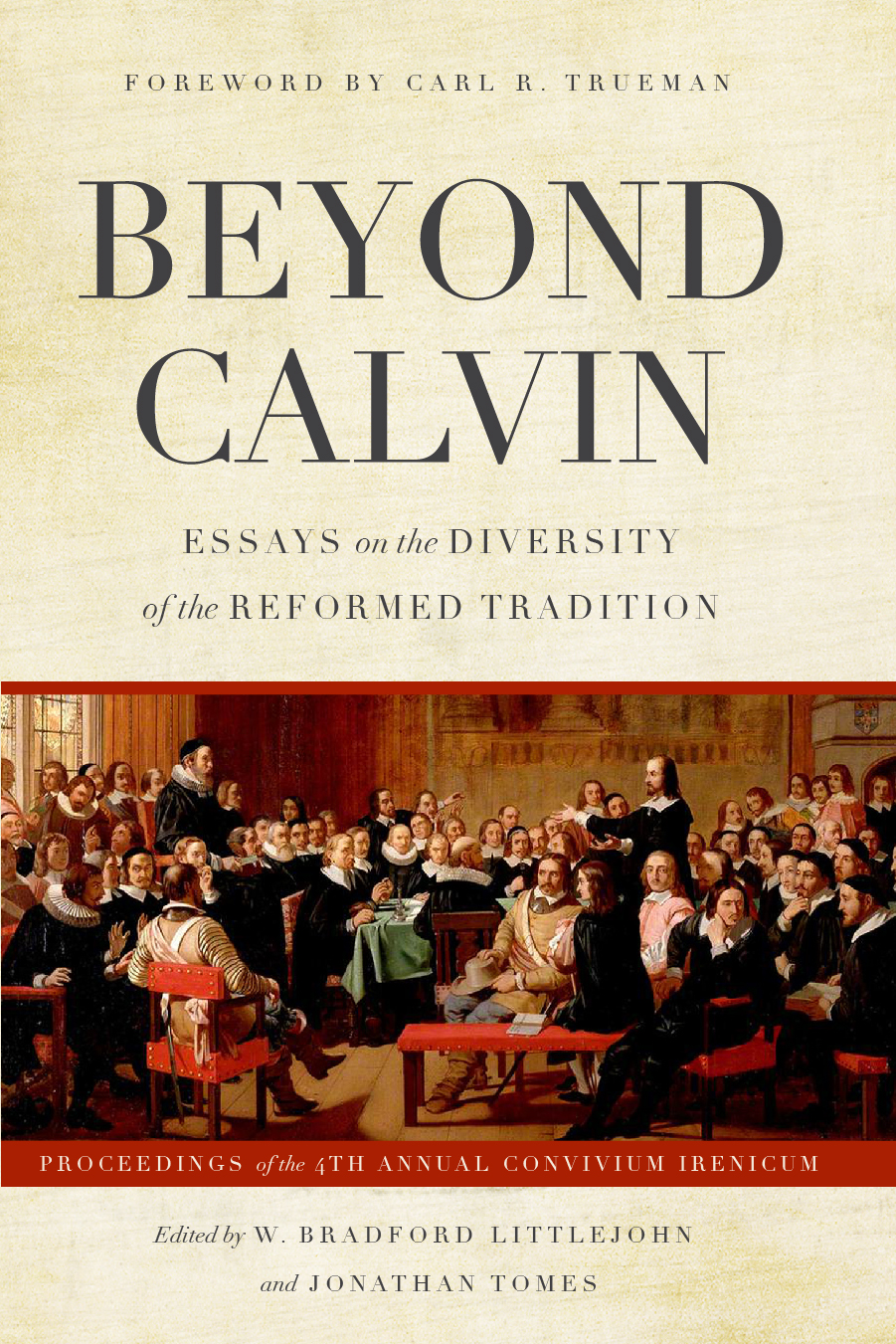
Beyond Calvin: Essays on the Diversity of the Reformed Tradition
The Reformed tradition today often carries a reputation for narrowness and dogmatism, rather than breadth and diversity. But it was not always so. In the early modern era, the Reformed family of churches boasted not merely a host of theological luminaries of the highest rank, but a remarkable diversity of viewpoints on church polity, ethics,…
-
|
Divine Law and Human Nature – Book I of Hooker’s Laws: A Modernization
Richard Hooker’s Laws of Ecclesiastical Polity is one of the great landmarks of Protestant theological literature, and indeed of English literature generally. However, on account of its difficult and archaic style, it is scarcely read today. The time has come to translate it into modern English so that Hooker may teach a new generation of…
-
|
Reformation Theology: A Reader of Primary Sources with Introductions
Beginning with the first rumblings of conflict in the late medieval period and continuing until the solidification of Protestant confessions in the early 17th century, this collection of thirty-two texts brings the modern reader face-to-face with the key men whose convictions helped shape the course of history. Concise historical introductions accompanying each text bring these…
-
|
Natural Law: A Brief Introduction and Biblical Defense
As Christians, we affirm that Scripture is our supreme guide to truth and righteousness. Some wish to go further and assert that it is our only guide. But how then can we account for the remarkable insight and moral integrity that many unbelievers seem to display? Indeed, how to account for the myriad ways in…
-

|
For Law and for Liberty: Essays on the Transatlantic Legacy of Protestant Political Thought
For the Reformers, their 17th-century successors, and indeed thoughtful Protestants right up through the last century, the vocations of minister and magistrate may have been strictly separate, but the accomplished theologian was usually a master of jurisprudence and political philosophy as well. Many wrote classic treatments in both the fields of theology and law, with…
-
|
The Word of God and the Words of Man – Books II and III of Hooker’s Laws: A Modernization
Books II-III of Hooker’s Laws, comprising Hooker’s treatment of Scripture’s authority in relation to the authority of reason and human law. Hooker contends that although Scripture does not change, human affairs do, and so our application of Scripture to changing human societies (including the Church) requires the use of reason, prudence, and historical awareness. Scripture…
-
|
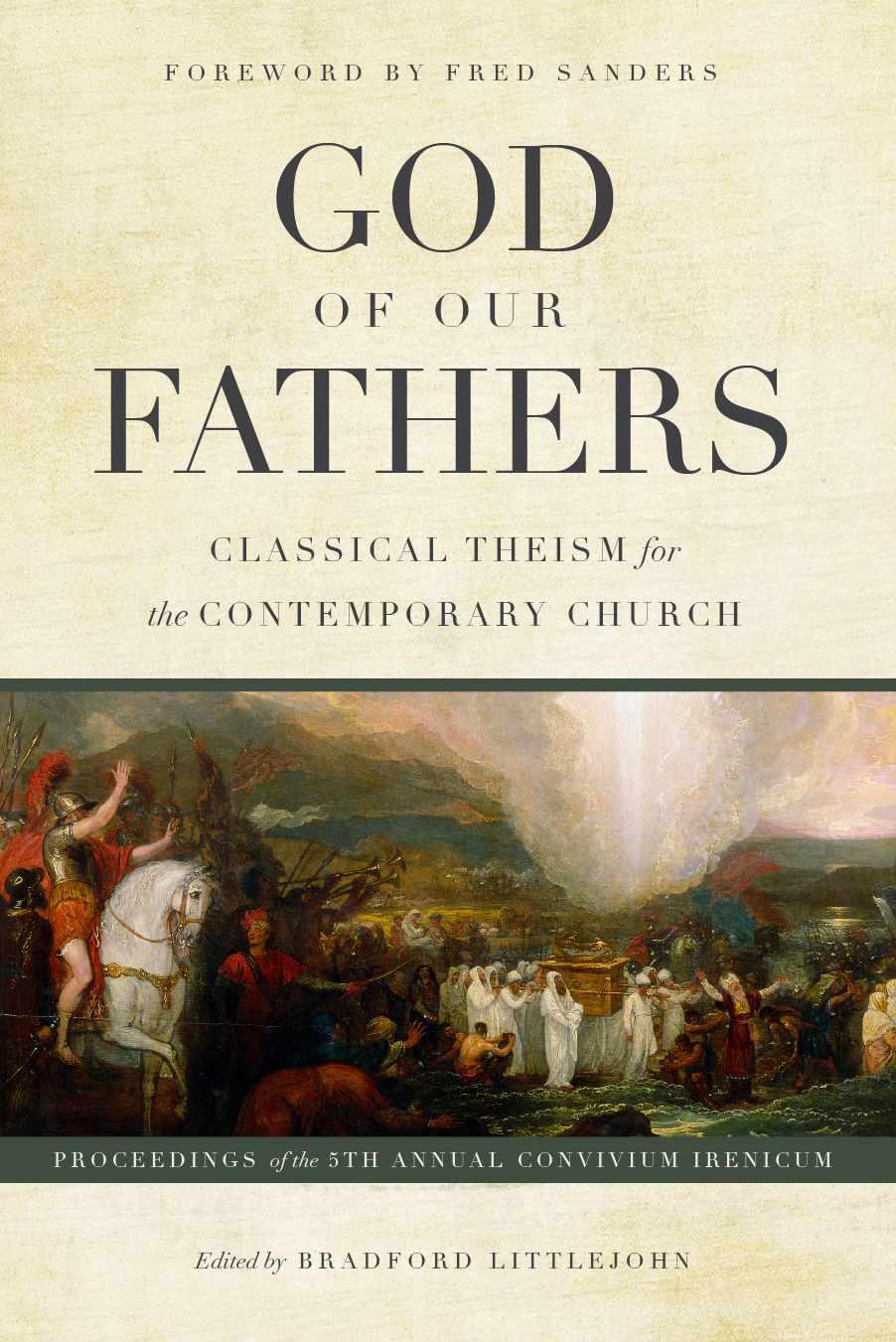
God of Our Fathers: Classical Theism for the Contemporary Church
Protestantism today has an idolatry problem. Not merely in the sense of worshipping false gods—of pleasure, wealth, or politics—but in the sense of worshipping the Triune God of Scripture according to images and ideas of our own devising. Whether it’s a God who suffers and changes alongside his creatures, or a “Trinitarian circle dance” of…
AD FONTES