
-
|
The Bible and the Religion of Protestants
“The Bible, I say, the Bible only is the religion of Protestants.” So wrote English Protestant apologist William Chillingworth in 1637, but the same words might just as well have been written in 1537 or 1937.
-
|
Taking the Next Steps
The Lord has been very good to the Davenant Institute over the past year. We were able to make great contributions to the Reformation 500 commemoration with our publications of People of the Promise: A Mere Protestant Ecclesiology and Reformation Theology: A Reader of Primary Sources.
-
|
Do Something Hard This Summer
A few years Alan Jacobs posted an old syllabus for a class at the University of Michigan taught by the great English poet W. H. Auden. It required 6,000 pages of reading… in one semester. Titled “Fate and the Individual in European Literature,” Auden’s course required students to read the entire Divine Comedy, Horace’s Odes,…
-
|
The Busy Student’s Method for Learning Latin
It seems to be a rule that those who want to learn Latin are always very busy. I’ve taught fellow graduate students who have had to cram Latin homework between full-time studies, part-time work, and family meals. I’ve taught middle schoolers for whom Latin lessons vied for attention with sports, music, and math worksheets. I’ve…
-
|
Protestantism’s Idolatry Problem
Protestantism today has an idolatry problem. And by that I do not mean what countless Protestant preachers on both the left and the right can be heard thundering from pulpits every Sunday—that we have embraced the idol of Mammon, or of the State, or of personal freedom, or of gluten-free dieting, etc. This may all…
-
|
Martin Luther’s Farewell to Arms: The Two Kingdoms and the Rejection of Crusading
Martin Luther’s political theology has fallen on hard times. While it was once common to give him credit for the emergence of modern political liberties, Luther’s legacy has, especially since the second world war, soured. Many have claimed that he set the stage for an unholy sort of sacred nationalism, while more recent commentators say…
-
|
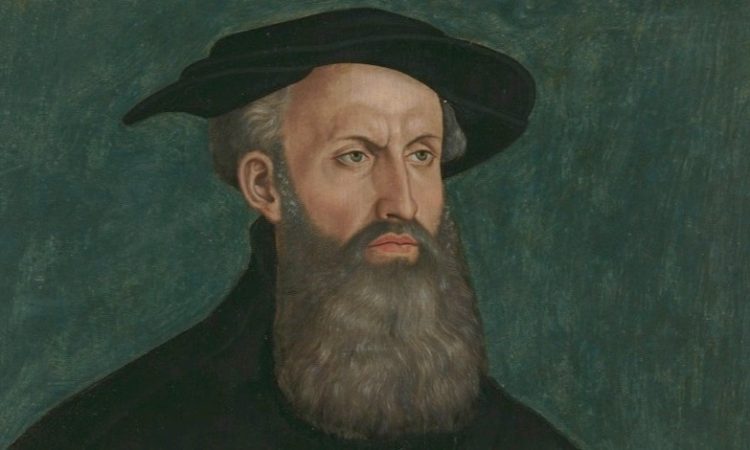
Decades II.7: Of the Magistrate
The whole office of a magistrate seemeth to consist in these three points: to order, to judge, and to punish, of every one whereof I mean to speak severally in order as they lie. The ordinance of the magistrate is a decree made by him for maintaining of religion, honesty, justice, and public peace: and…
-
|
How to Study the Reformation
What sort of person enrolls in a class in Reformation studies? It is a seemingly easy audience to profile. For those few programs which offer such a course, we expect it would be required for any student pursuing a degree in Christian history or theology; for young Reformed individuals who desire a deeper understanding of…
-
|
A Summary of the Church Authority Convivium in Washington DC
Western Christians find themselves forced to navigate many different quandaries in the modern world. This assertion is not generally considered to be controversial. Controversy quickly ensues, however, when Christians attempt to more finely identify and address these challenges. In recent times, one frequently discussed item has related to a presumed “crisis of authority” afflicting (especially)…
-
|
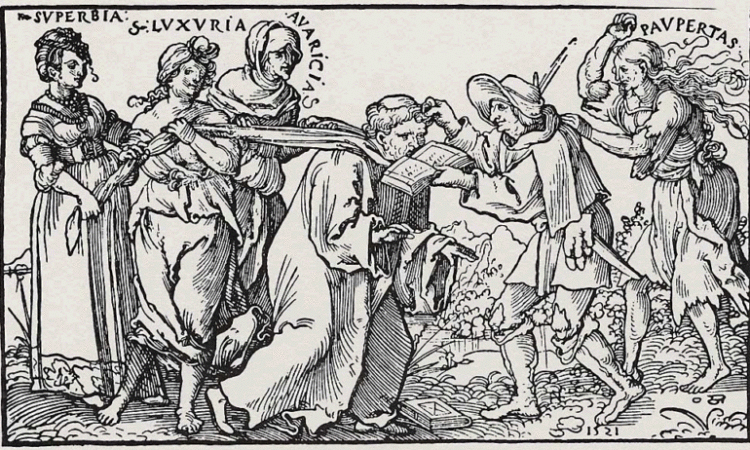
Weird Reformation: Christ the Mediator of Angels?
We’re starting a new series on the blog here where we will look at old, mostly unknown quotes or debates in reformed theologians of the past. The hope is to both entertain and show that the reformed tradition has traditionally been far broader than many of its contemporary proponents realize. We hope you enjoy it.
AD FONTES