
-

|
Singing Pictures: Georgette de Montenay’s Emblems
Thanks to the work of E. J. Hutchinson, many of us are aware of Theodore Beza’s emblems. The enigmatic woodcuts and poetry of emblem books were also employed by less well-known Protestant writers, but no less vividly and even hauntingly, to picture life in light of God. Among these was Georgette de Montenay, a lady-in-waiting…
-
|
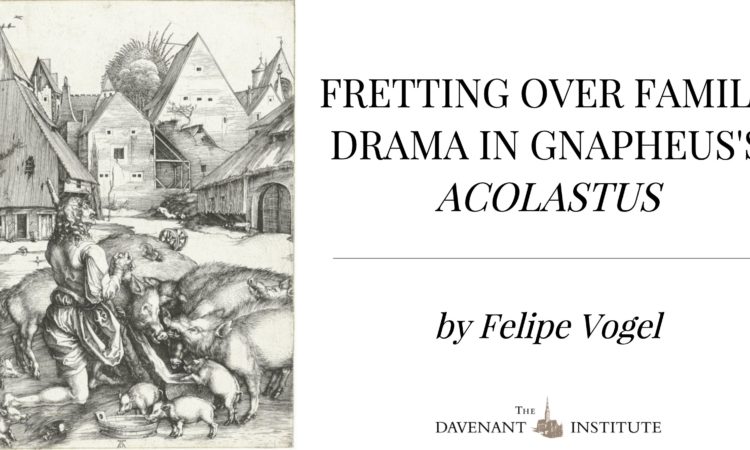
Fretting over Family Drama in Gnapheus’s Acolastus
Humanist drama as a medium for retelling Bible stories is one of the most fascinating genres of Latin literature of the Reformation. All over Europe Protestants and Catholics alike wrote biblical comedies and tragedies for their schools, each camp often using the other’s plays since in the first decades they rarely strayed from narrative into…
-
|
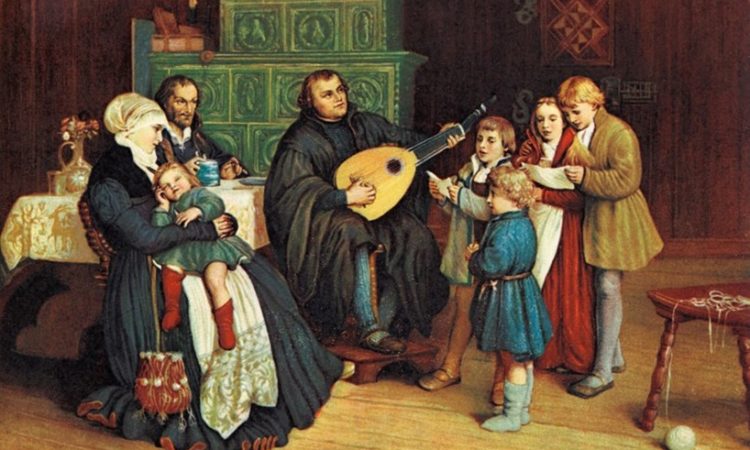
Latin Hymns Reformed
Everyone knows that the Reformation opened the floodgates of German songwriting, transforming the hymn into communal song. No less astonishing, but much less remembered, is the early Lutherans’ tireless work at writing an entirely new corpus of Latin hymns.
-
|
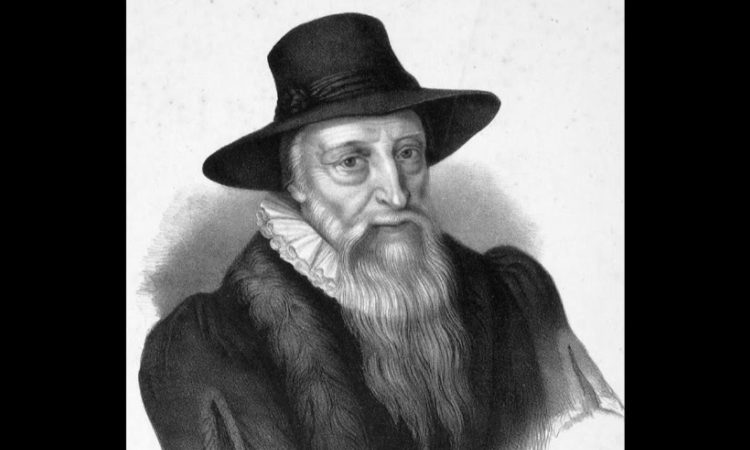
A Century of Latin Bibles: c. 1550–1650
Some of us may have been disappointed to see only Lutherans among the hymn-writers which we recently sampled. But fear not, Reformed readers, because Latin culture flourished in early Reformed circles as well.
AD FONTES