
-
|
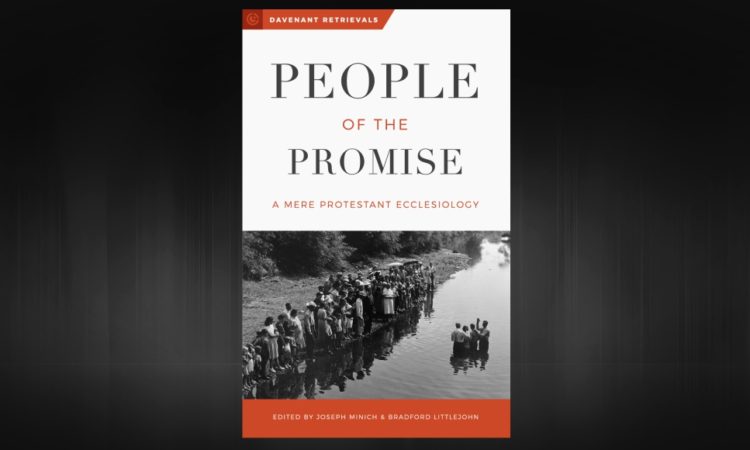
People of the Promise – Buy Your Copy Today!
As we celebrate the 500th anniversary of the Reformation, many Protestants, whether in the pews, the pulpit, or the academy, are apt to feel a bit uncertain about just how enthusiastically they can celebrate the Protestant doctrine of the church. After all, isn’t this doctrine the weakest link in Protestant theology, as modern-day Catholic apologists
-
|
WATCH: Getting Beyond Headship Battles: Male and Female in Scripture
In this episode, Brad Belschner and Alastair Roberts discuss headship and submission in order to clear misconceptions concerning gender relations that are common even within Christian circles. While it may seem that Genesis presents man as the center of creation and woman as simply his sidekick or personal assistant, Alastair points out that man’s authority
-
|
Announcing Acquisition of Peter Martyr Library
We are pleased to announce that The Davenant Institute has just concluded a contract with Truman State University Press to take full possession of the Peter Martyr Library. Effective Jan. 1, 2018, TSUP will transfer all rights, electronic files, and hard copies of the ten volumes of the Peter Martyr Library (including its accompanying
-
|
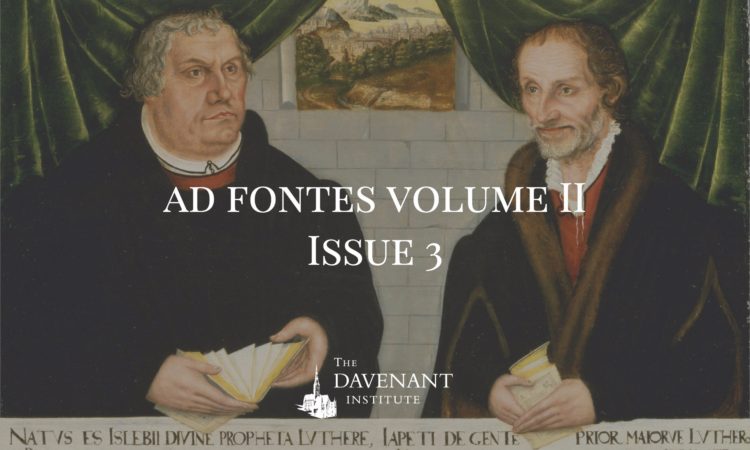
The Gospel Embodied: Luther’s Theology of the Lord’s Supper
Martin Luther sought above all to understand God’s self-revelation in the gospel, and how men and women are to grasp this revelation. In the gospel Luther discovered a God who comes to us. God condescends to us to meet us in our need as Savior and gives himself for us. Jesus Christ is God for
-
|
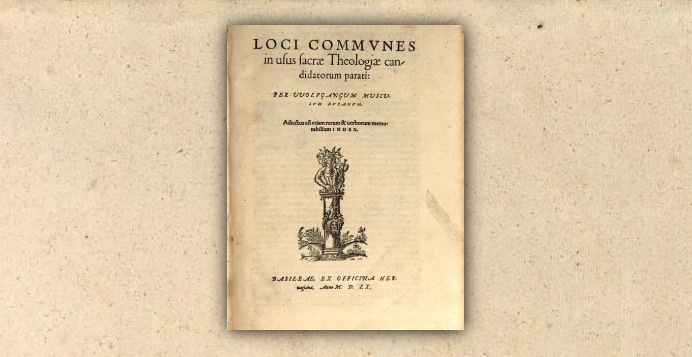
A Word from Musculus to Theology Students
The second generation Wolfgang Musculus’s (1497–1563) Loci Communes in usus S. Theologiae Candidatorum parati (1560) is a fine, early example of a Reformed system produced to aid pastoral students of theology.
-
|
The Benefits of Learning Latin for Regular Pastors
Benefits of Latin for “regular” pastors? Well, what’s an irregular pastor? While I’d argue Latin is beneficial to all pastors, whether those of mega, medium, or minor congregations, there are certain pastors who may never study Latin—the Irregulars. Their ministries are somewhat restricted, perhaps only to the pulpit, with staff and assistants handling many daily…
-

|
An Echo of Grace: Plato’s Doctrine of Gifts
The interpreter that undertakes to compare the works of Plato with the gospel must begin somewhere. Here I attempt to set out Plato’s view on gifts and divine dispensation, and would ask that you consider the two following texts:
-

|
How the Reformation Vanquished Death
For the Christian, the threat of death, in whatever form it comes, does not have the final word. Jesus said it this way: “Unless a grain of wheat falls into the earth and dies, it remains alone; but if it dies, it bears much fruit” (John 12:24).
-
|
“Nursing Fathers”: The Magistrate and the Moral Law
Not many passages in the New Testament speak directly to political order. The first part of the thirteenth chapter of Romans is perhaps the most famous. I would like to focus in this essay on vv. 3-4, which may appear prima facie to be something of an interpretive crux. Are these verses descriptive or prescriptive?…
-

|
Best Reads of 2019
We asked a handful of our staff and Davenant Fellows what books they particularly enjoyed reading over this past year.
AD FONTES