
-

|
What’s So Bad About “Worldview”?
We’ve been known to rib on “Christian worldview thinking” from time to time, and scrupulously avoid “worldview” language in our publications and programs. Naturally, I frequently get asked why, and I thought I would finally take a stab at an answer here.
-
|
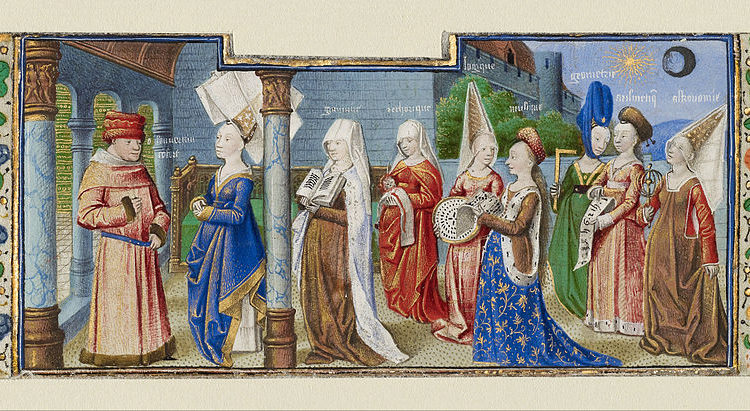
Three Cheers for Wisdom: Clarifications Contra Critics
Last week, I wrote a brief summary of our objections (here at Davenant) to “Christian worldview” thinking, and why we prefer the language of “wisdom” instead. The post was in many ways an experiment to see whether it’s possible to make a big-picture argument, about big and controversial concepts, in roughly 1,500 words. I’m tempted
-
|
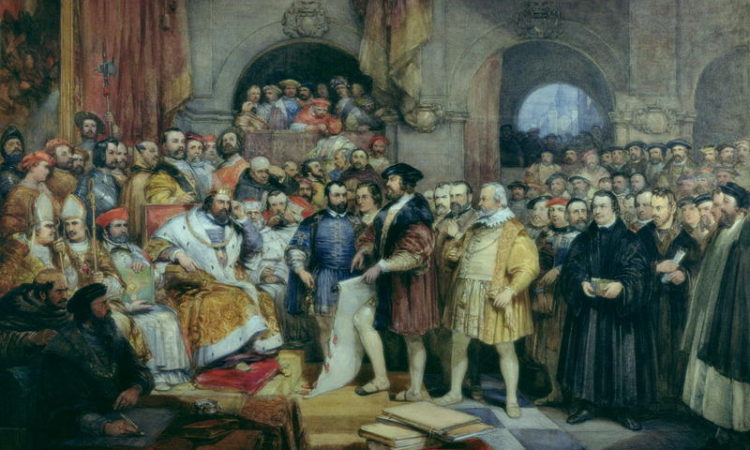
Protestantism After Liberalism? An Untapped Resource for Christian Political Thought
In perhaps the most famous passage of his City of God, Augustine argues that, since justice consists in giving to each his due, there can be no justice where God is not given his due, and thus a functioning commonwealth is impossible.[1] Instead, all we will have is a disorderly mass of individuals pursuing their…
-
|
Denver Convivium 2018 – Summary
Earlier this month, The Davenant Institute held its Second Annual Denver Regional Convivium Irenicum in the shadow of the Rocky Mountain foothills, at Colorado Christian University.
-

|
The Bible and the Religion of Protestants
“The Bible, I say, the Bible only is the religion of Protestants.” So wrote English Protestant apologist William Chillingworth in 1637, but the same words might just as well have been written in 1537 or 1937.
-

|
Taking the Next Steps
The Lord has been very good to the Davenant Institute over the past year. We were able to make great contributions to the Reformation 500 commemoration with our publications of People of the Promise: A Mere Protestant Ecclesiology and Reformation Theology: A Reader of Primary Sources.
-

|
Becoming Holy with Richard Hooker
By teaching two kinds of righteousness, one imputed and one actual, Hooker makes room for us both to truly become holy and for our works to contribute to that holiness.
-

|
Revisiting “The Shape Fallacy”: A Response to Ben Jefferies
I am concerned with something bigger than any one late modern prayer book: how the Dixian shift to thinking of the prayer book in terms of “shape” has affected the virtues of the prayer book tradition.
-
|
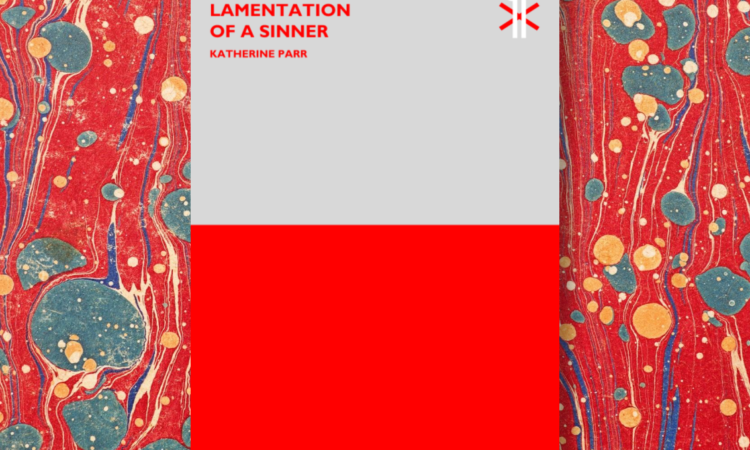
The Lamentation of a Sinner by Katherine Parr: A Review by Rhys Laverty
Devotional retrieval must accompany theological retrieval. To that end, New Whitchurch Press’ republication of The Lamentation of a Sinner is prescient.
-

|
When Roman Catholics and Protestants Read Each Other
Beyond Dordt and De Auxiliis examines the interdependence of these two traditions in the early modern period as they discussed and debated doctrines such as predestination and divine grace.
AD FONTES