
-
|
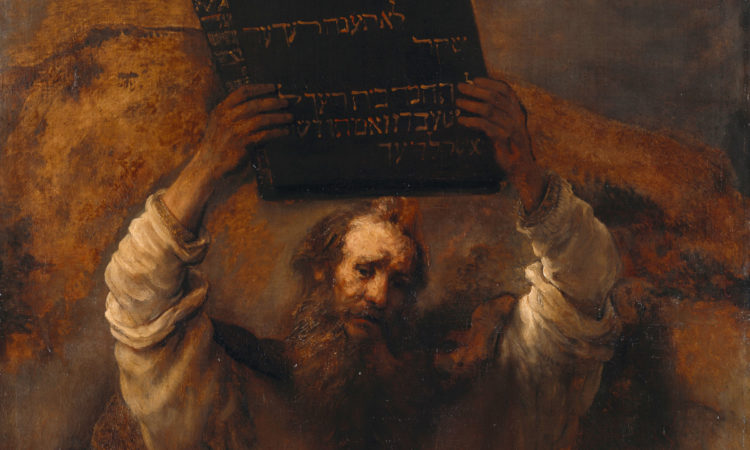
“Nursing Fathers”: The Magistrate and the Moral Law
Not many passages in the New Testament speak directly to political order. The first part of the thirteenth chapter of Romans is perhaps the most famous. I would like to focus in this essay on vv. 3-4, which may appear prima facie to be something of an interpretive crux. Are these verses descriptive or prescriptive?…
-
|
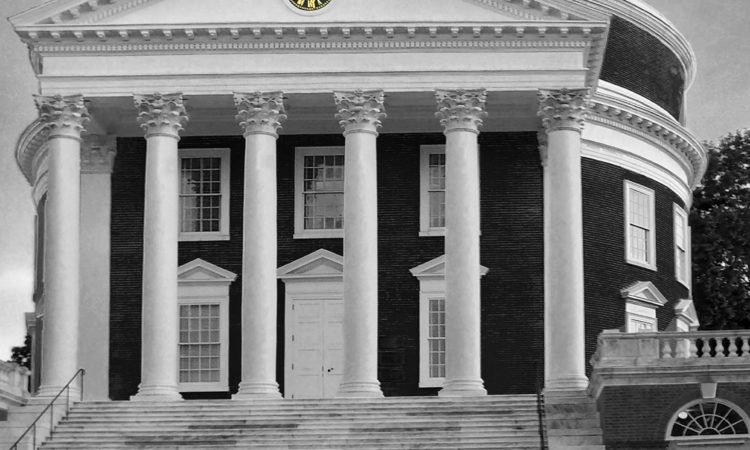
The Promise and Peril of Disestablishment: Baptist and Reformed Political Theology in the New Republic
This essay briefly attempts to explore the major formational differences between Baptists and Reformed Christians in the American republic on the question of church and state.
-

|
The Decline of the Magisterial Tradition and the Rise of the Cromwellian Consensus (Pt. 1)
After the conclusion of the English Civil War, the tensions between two Puritan emphases began to become apparent: the ideal of the “godly magistracy,” which assumed general uniformity in religious practice, and the tendency towards a “gathered church,” which had encouraged the gathering of the “godly” in separate assemblies.
-

|
The Christian Right (and Wrong)
Harp’s narrative provides useful history, but a more charitable and accurate assessment is needed to develop a contemporary Protestant political theology
AD FONTES